
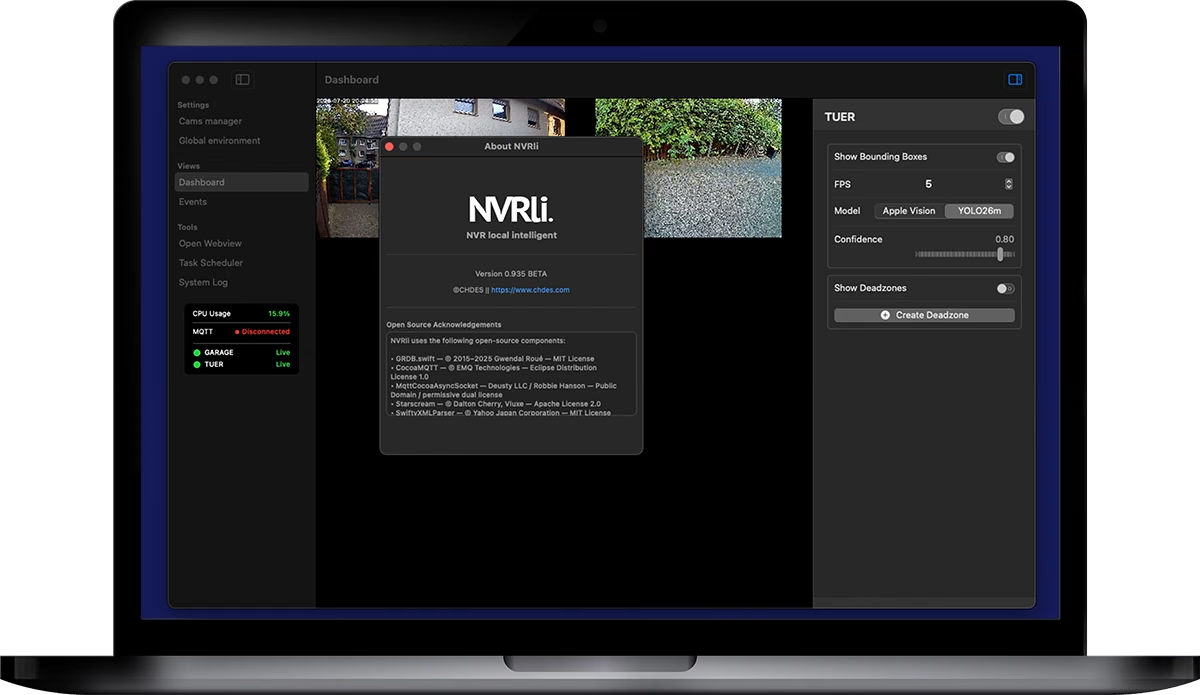
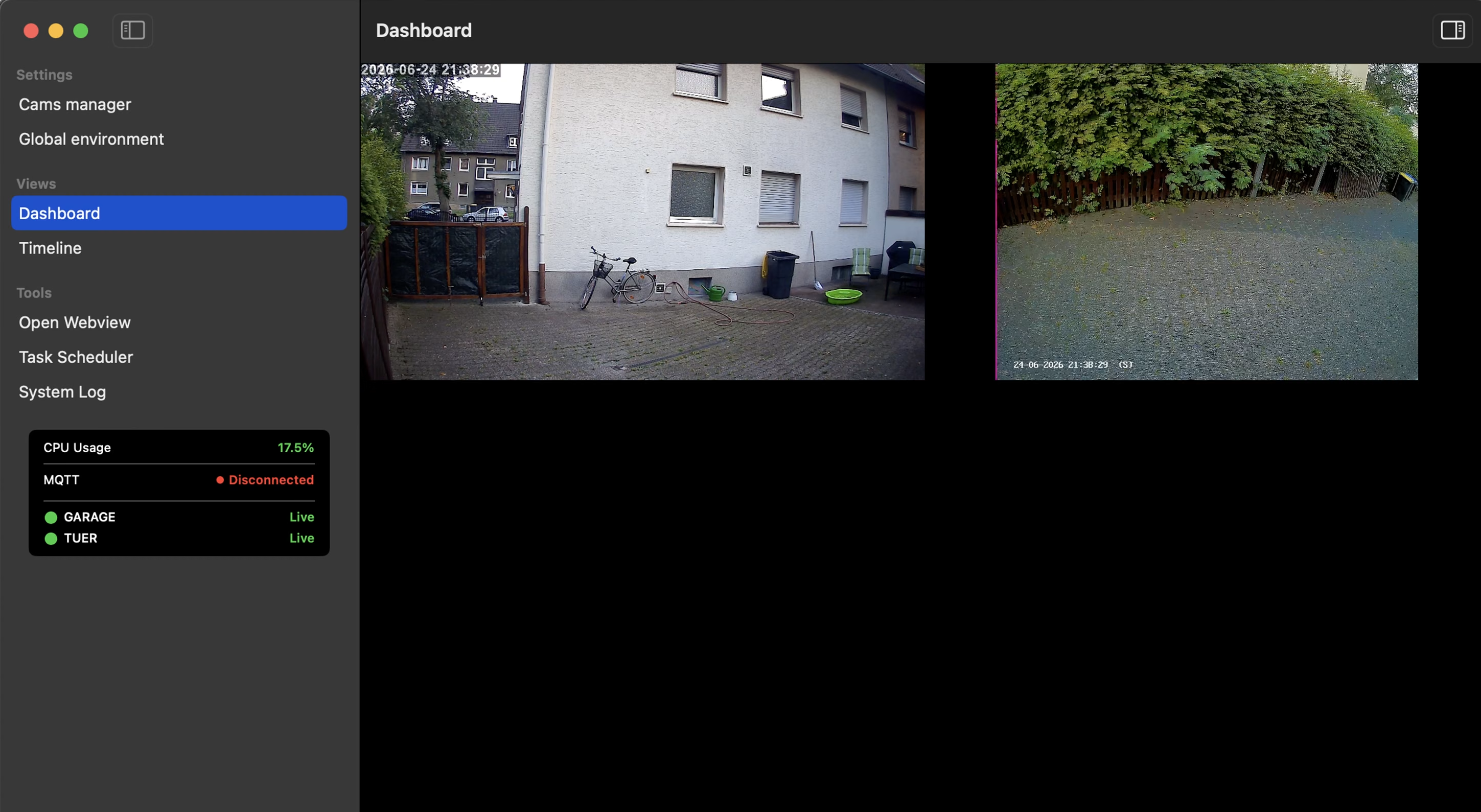

All cameras live in one grid. The grid (1–6 columns) grows with your camera count — no fixed limit. Full screen with one click, settings right in the inspector.

Real-time AI person detection, running directly on the Apple Neural Engine. With object tracking and zone filtering — fully on-device.

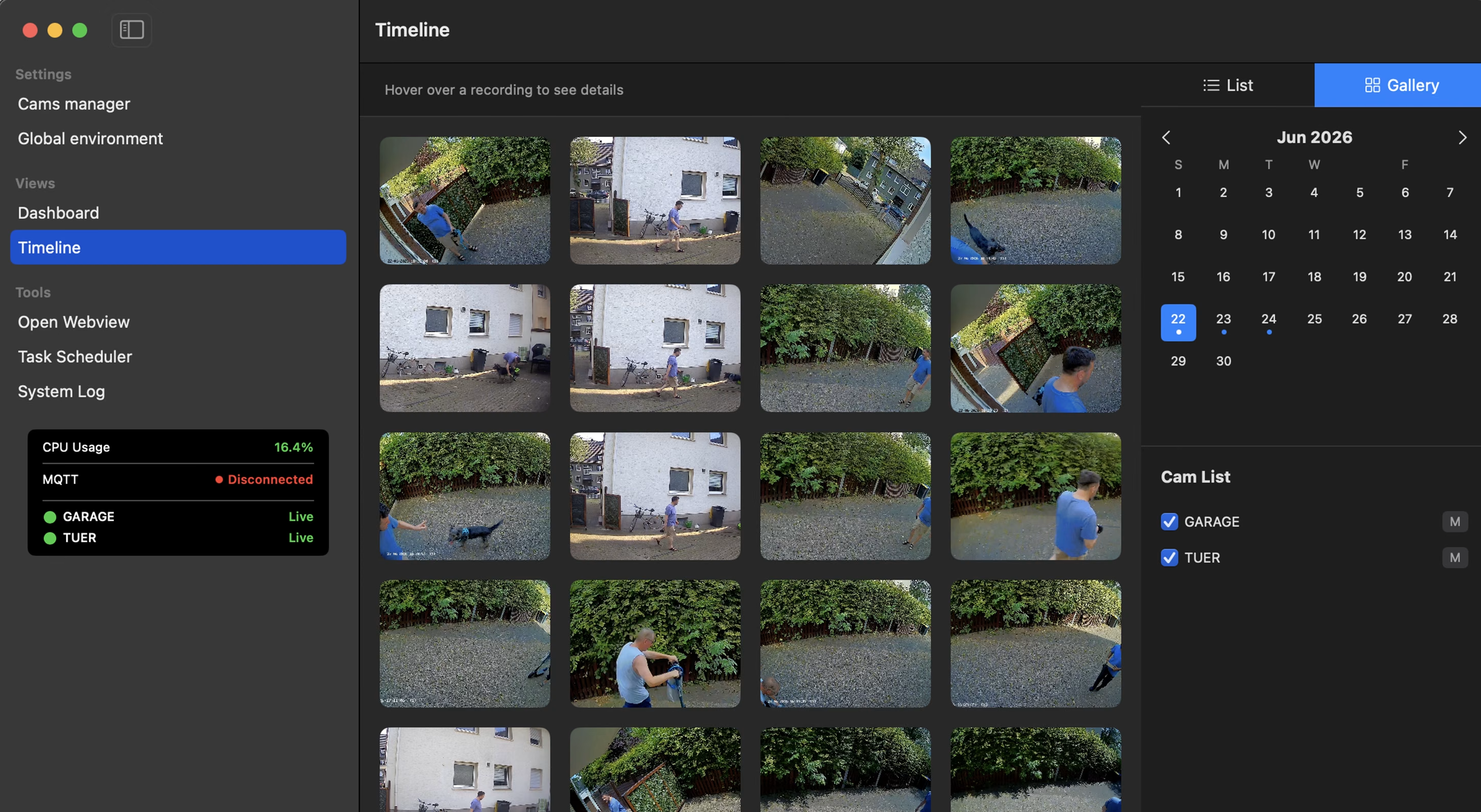
Event-based recording with pre-buffer: the clip starts before the person enters the frame. Timeline, gallery, automatic retention.

RTSP and ONVIF out of the box — with automatic network discovery. Reolink, Hikvision, Dahua, Tapo, Amcrest, Axis and many more.

MQTT with Home Assistant Discovery: your cameras appear automatically as devices — motion sensor, online status, live snapshot. No YAML.

Web push straight to your phone (PWA) and snapshots or clips via Telegram — the moment a person is detected.

Recording, AI and notifications run entirely on your Mac. No cloud account, no registration, no subscription.
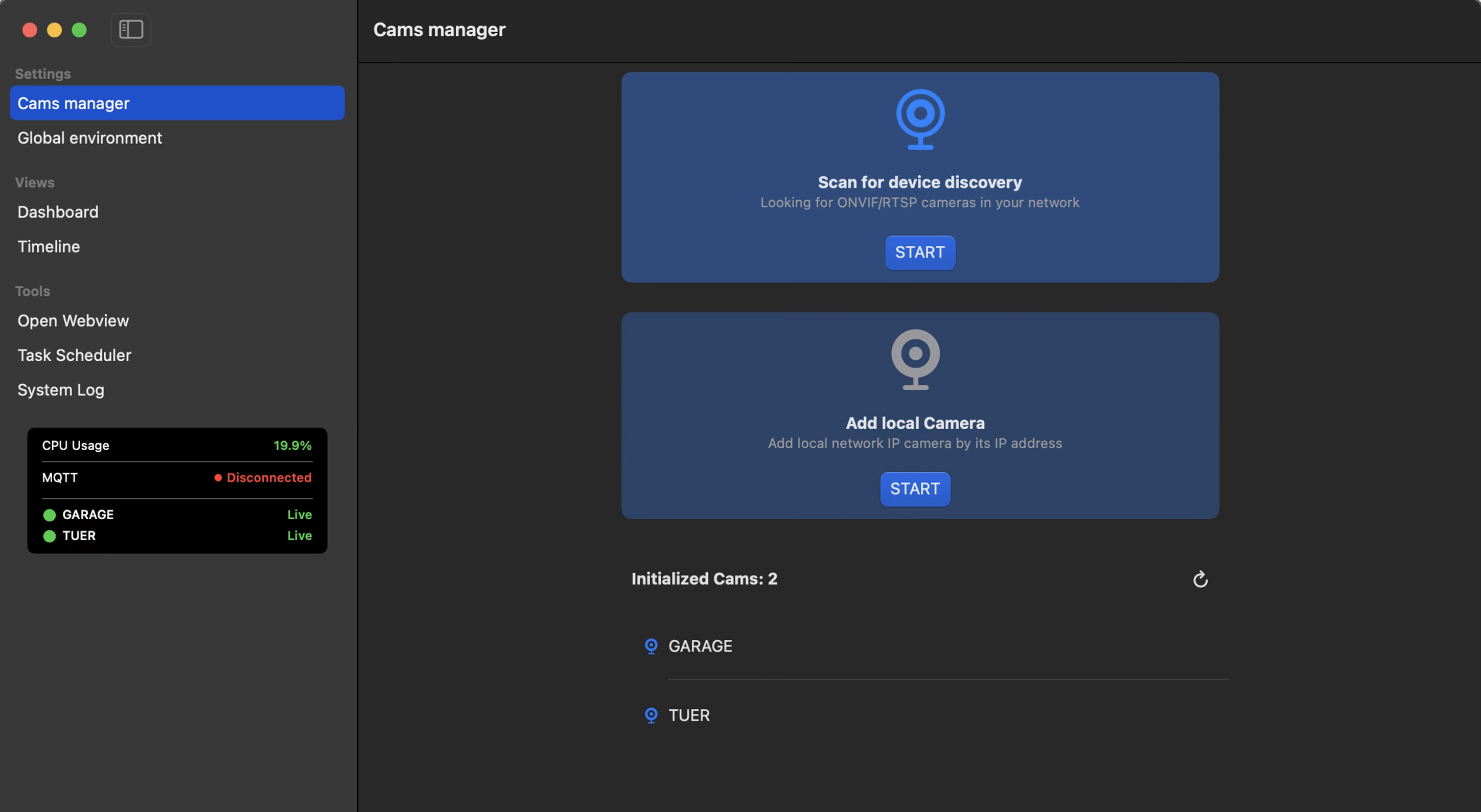
NVRli automatically scans your network for ONVIF cameras. Or simply enter your camera's RTSP URL. Once configured, NVRli reconnects on its own at the next launch.

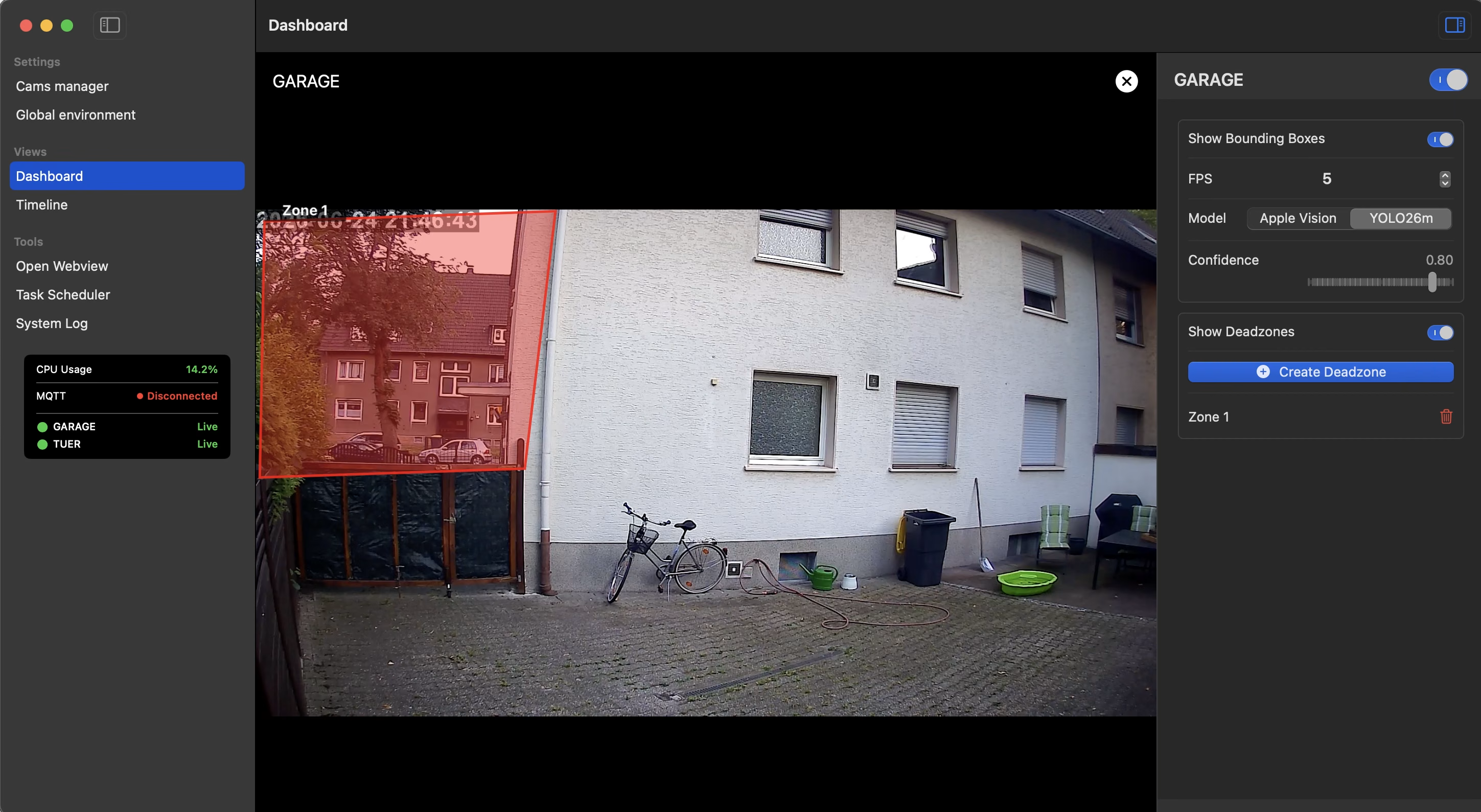
Choose the AI model per camera (Apple Vision or YOLO), set the confidence threshold and optionally draw deadzones — right in the inspector, no annoying dialogs.

From now on everything runs automatically: every detected person starts a recording, the pre-buffer saves the seconds before, and your smart home is notified instantly.
macOS 15 (Sequoia) or later · Apple Silicon (M1+) · 8 GB RAM recommended · network access to your cameras (LAN/Wi-Fi)
RTSP for all common IP cameras · ONVIF discovery · MQTT 3.1.1 · WebRTC & MSE via embedded go2rtc
H.264 & H.265 hardware-accelerated (VideoToolbox) · Apple Vision framework or YOLO via CoreML — both on-device
MP4 clips in a folder of your choice · local SQLite · automatic cleanup from 1 day to 1 year — no iCloud sync
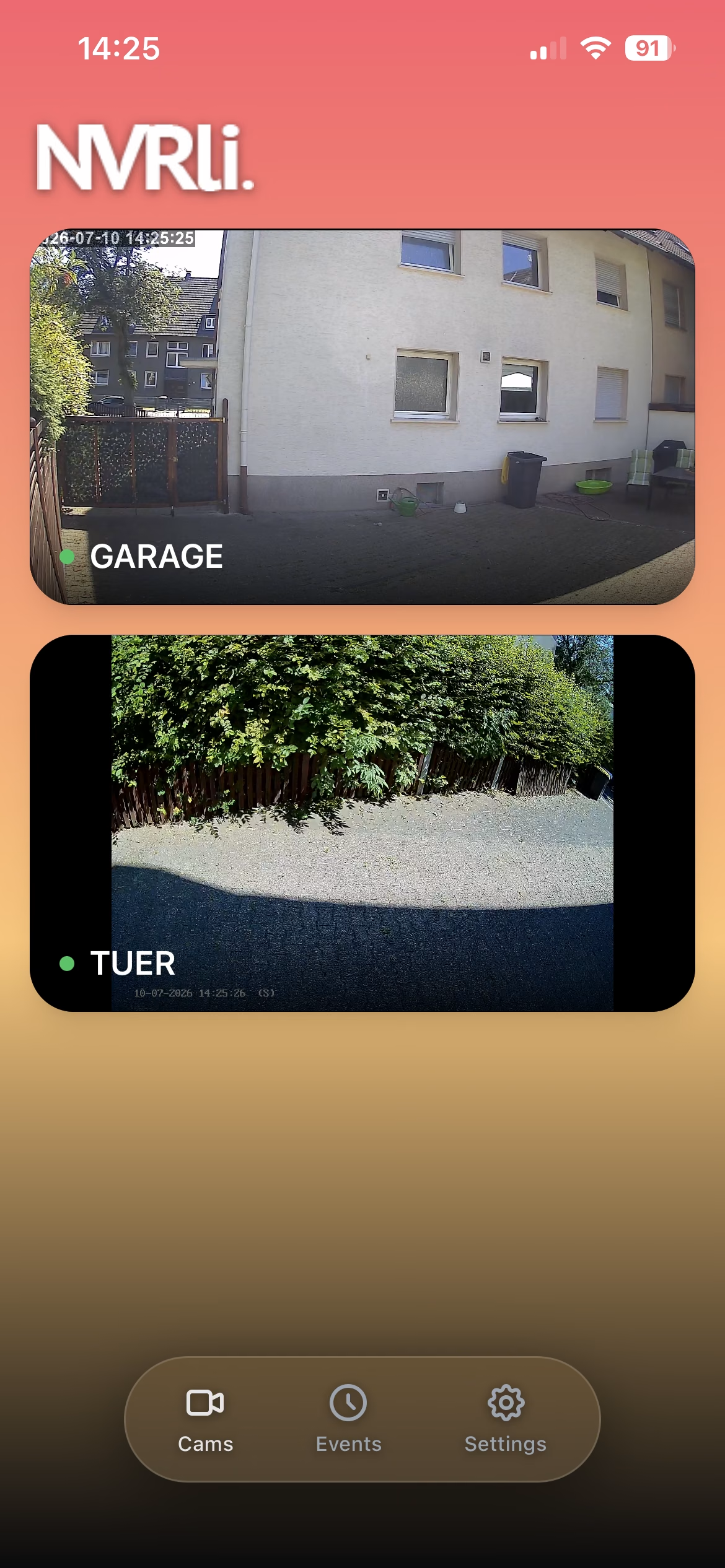
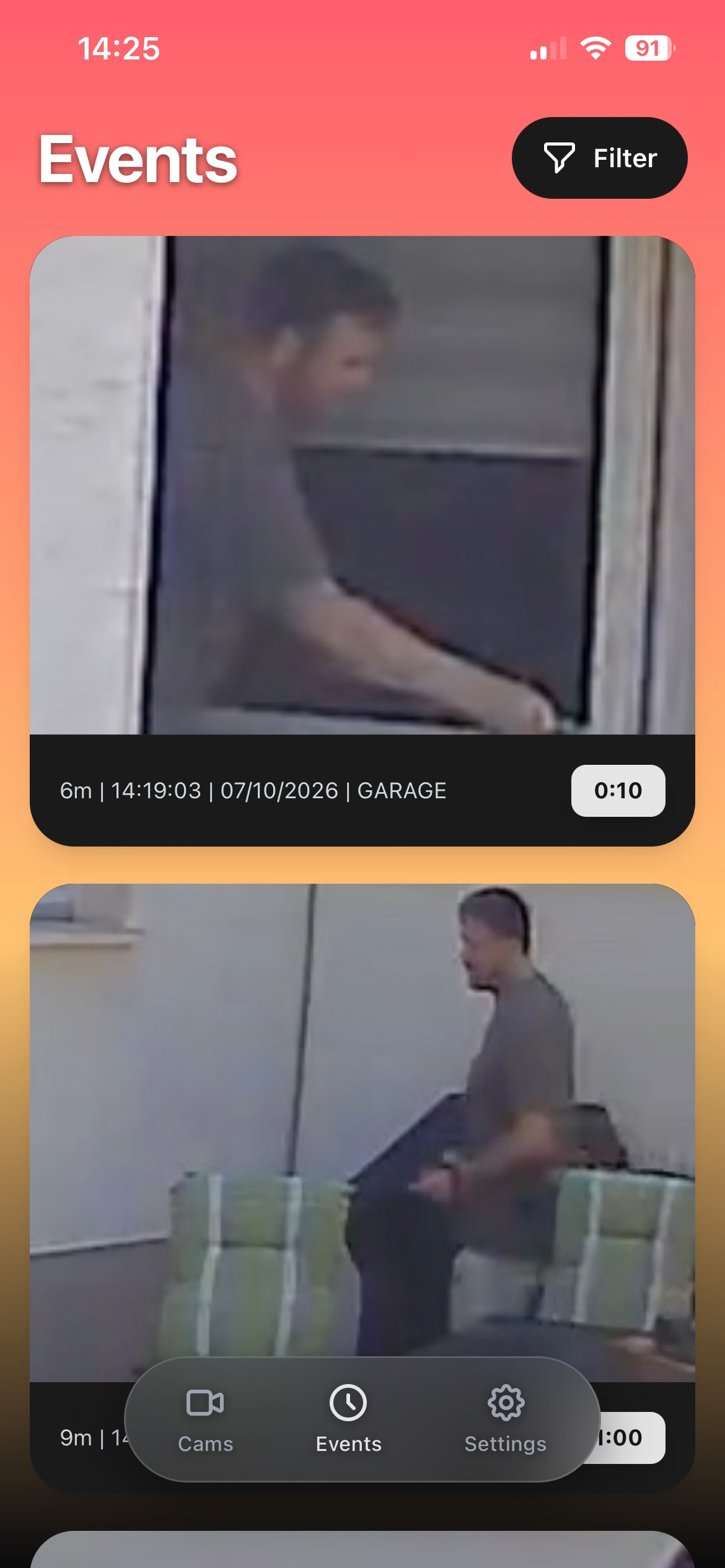
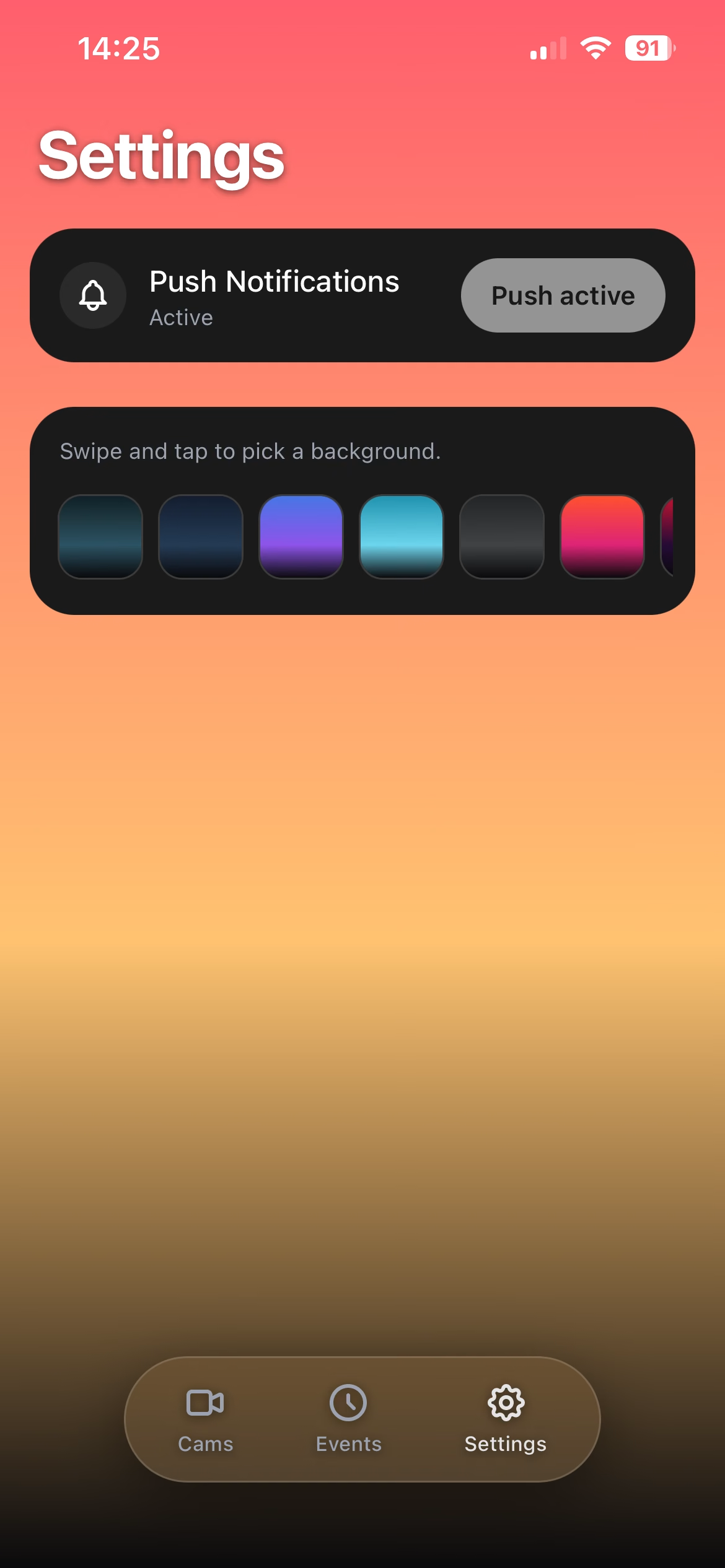
Any camera that provides an RTSP stream — which is virtually every common IP camera (Reolink, Hikvision, Dahua, Tapo, Amcrest, Axis and many more). NVRli additionally supports ONVIF for automatic network discovery.
Yes, completely. NVRli only needs local network access to your cameras. The internet is not required for any part of the app.
NVRli has no fixed camera limit. Your hardware sets the boundary: every active camera needs hardware decoding and AI inference. NVRli automatically distributes the available memory fairly across all cameras — the more cameras, the shorter the pre-buffer per camera, but none of them drops out. A modern Apple Silicon Mac handles several cameras with ease.
No. All recordings are stored exclusively locally — in a folder of your choice on your Mac or an attached drive.
Yes. NVRli runs as a regular macOS app permanently in the background. Combined with the macOS energy settings, your Mac stays awake as long as needed.
NVRli detects dropped connections and reconnects automatically. The connection status is shown as a badge in the dashboard.
Only if you want the smart home integration. For the core features — recording, timeline, dashboard — MQTT is optional.
Yes. Both H.264 and H.265 are hardware-decoded and encoded via the media engine of your Apple Silicon Mac — with minimal CPU load, even with multiple cameras.
No. NVRli is built exclusively for Apple Silicon (M1 or later) — the AI detection runs on the Apple Neural Engine, which only exists there. That's exactly what makes NVRli so efficient.
Get NVRli on your Mac — no cloud, no subscription, no compromises.